The Museum is Stories
Keywords
time
place
experiences
voices
storytelling
prospects
paths
Εισαγωγή
Every museum is filled with stories; the stories of objects, people and places that are waiting to be heard. Each object carries its own story; each exhibition weaves a new narrative and each visitor contributes their own perspective.
Through exhibitions, stories and voices, our museum helps us understand how people lived, what they thought about, and how all of this connects to life today. Stories are never fixed; they change with the perspective of the person discovering them, with the questions that arise and with the imagination that is sparked. In museums, visitors of all ages are invited to observe, interpret, imagine and share new stories.
Stories from Books that Come to Life
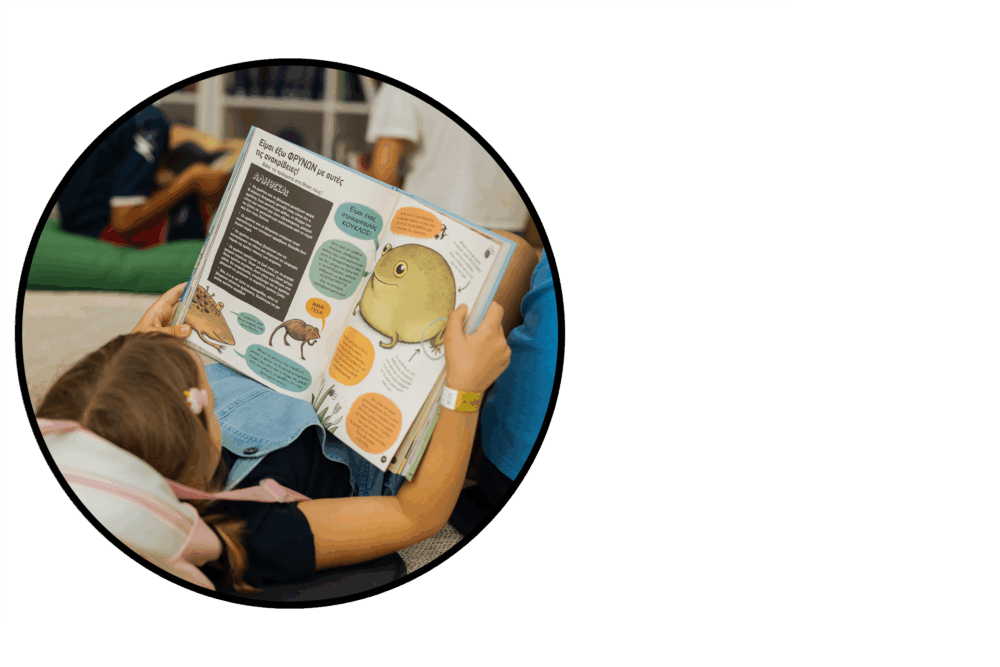
In the educational workshops of The Museum of Cycladic Art, books are selected to help children of different ages understand the themes and the underlying concept of an exhibition. Illustrated books, non-fiction titles and graphic novels are connected to the exhibits, opening up new paths of understanding, beyond simple observation.
This way, objects gain context, the ideas of the exhibition become clearer and the visit is transformed into a reading journey.
In the educational workshops of The Museum of Cycladic Art, books are selected to help children of different ages understand the themes and the underlying concept of an exhibition. Illustrated books, non-fiction titles and graphic novels are connected to the exhibits, opening up new paths of understanding, beyond simple observation.
This way, objects gain context, the ideas of the exhibition become clearer and the visit is transformed into a reading journey.
Did you know… that books are selected for every story, to “converse” with specific exhibitions?
Imagine… which of the books that you have read would match an object that impressed you in the museum.
Try… writing a story title, inspired by a single exhibit.
At The Museum of Cycladic Art:
In special educational programs, children’s books meet the objects of the exhibition Kykladitisses: Untold stories of women in the Cyclades. Through a reading-based game, children and their companions are invited to discover the stories hidden behind the exhibition’s objects, connecting the book with the museum space. The program highlights the importance of reading for pleasure and how it can creatively integrate with the museum, opening up new narrative pathways. At the end, children create their own stories, using words, images and their own imagination.
Stories that are Heard
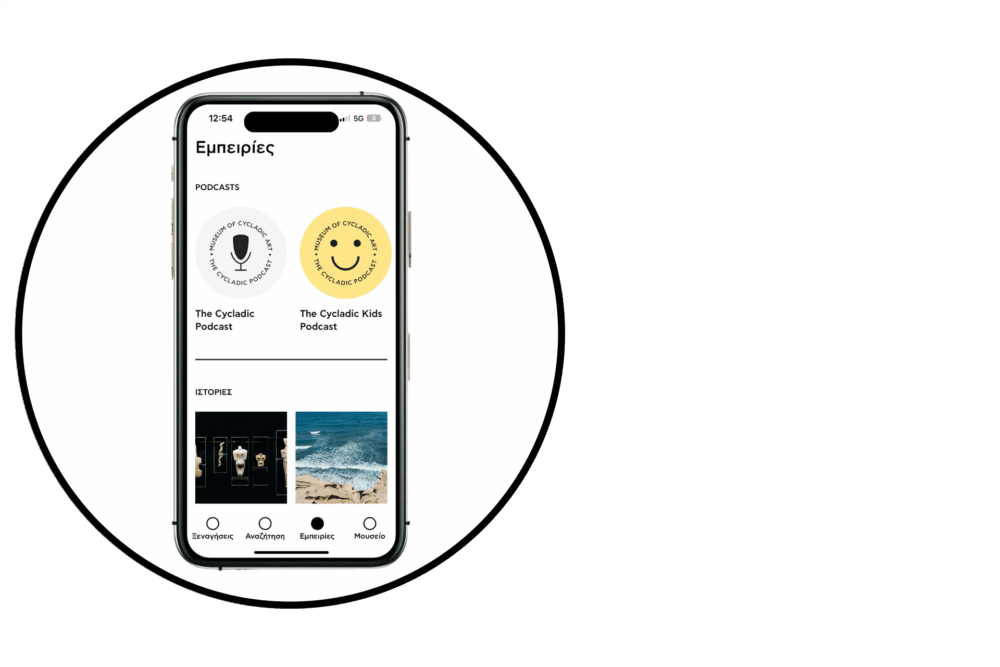
The podcast series of the Museum of Cycladic Art presents the stories of its collections and exhibitions in an audio format. Archaeologists, curators, artists, as well as young speakers, share narratives, thoughts and questions, revealing lesser-known aspects of archaeology and contemporary art. The stories are not read but heard, and they continue well beyond the physical space of the exhibition.
The podcast series of the Museum of Cycladic Art presents the stories of its collections and exhibitions in an audio format. Archaeologists, curators, artists, as well as young speakers, share narratives, thoughts and questions, revealing lesser-known aspects of archaeology and contemporary art. The stories are not read but heard, and they continue well beyond the physical space of the exhibition.
Did you know… that many of the podcast episodes of the Museum of Cycladic Art are shaped from specific exhibitions and the stories behind them?
Imagine… which museum object you would choose to “hear” about and discover its story.
Try it in the classroom… record a short audio story (1 minute) about an object that interests you.
At The Museum of Cycladic Art:
Through the Museum’s podcast series, children and adults discover stories about archaeology and contemporary art in a fresh and engaging way. Unexpected conversations between archaeologists, researchers, curators and young visitors open up new narrative pathways, bringing us closer to hidden aspects of both the ancient and the contemporary world.
Exhibitions Narrating Life Stories
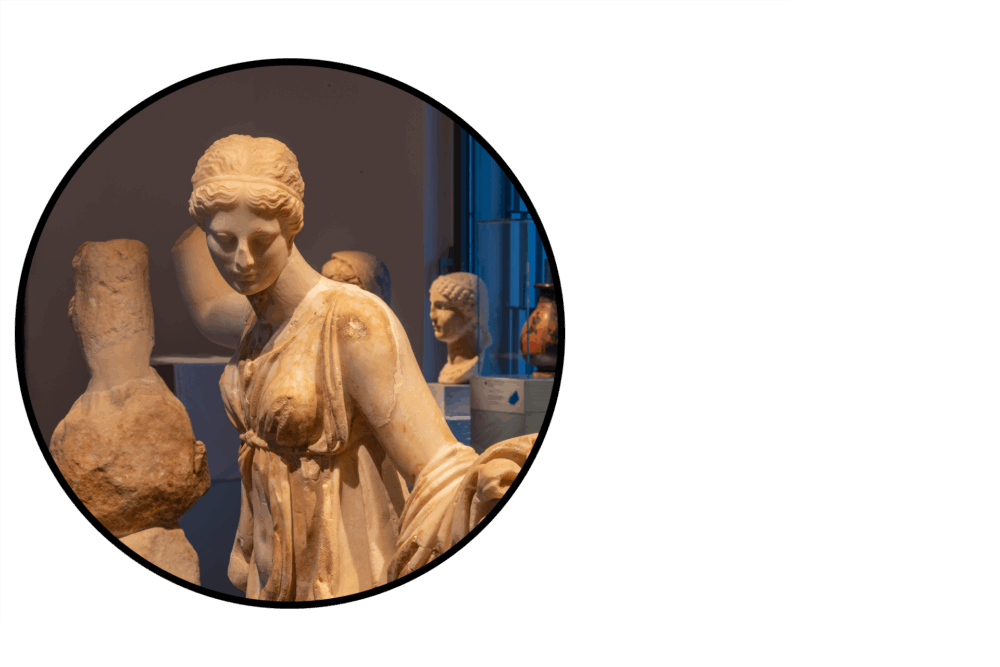
Some exhibitions do more than merely display objects; they narrate human lives. Carefully chosen artifacts, images and information bring to life everyday moments, roles and experiences from different eras. The objects serve as traces of life, helping us imagine the people, relationships and stories that remain unwritten.
Some exhibitions do more than merely display objects; they narrate human lives. Carefully chosen artifacts, images and information bring to life everyday moments, roles and experiences from different eras. The objects serve as traces of life, helping us imagine the people, relationships and stories that remain unwritten.
Did you know… that archaeologists “read” objects in order to learn about how people lived in the past?
Imagine… If an object could speak, what life story would it be able to share with us?
Class discussion… Why do you believe that some people’s stories have been lost or have never been heard?
At The Museum of Cycladic Art:
The exhibition Kykladitisses: Untold stories of women in the Cyclades sheds light on the lives and roles of women in Cycladic societies from the Neolithic period to the 19th century. Over 180 iconic works, most of which have never traveled outside the Cyclades, reveal the world of women emerging from obscurity and convey their untold stories.
Stories Unfolding outside the Museum
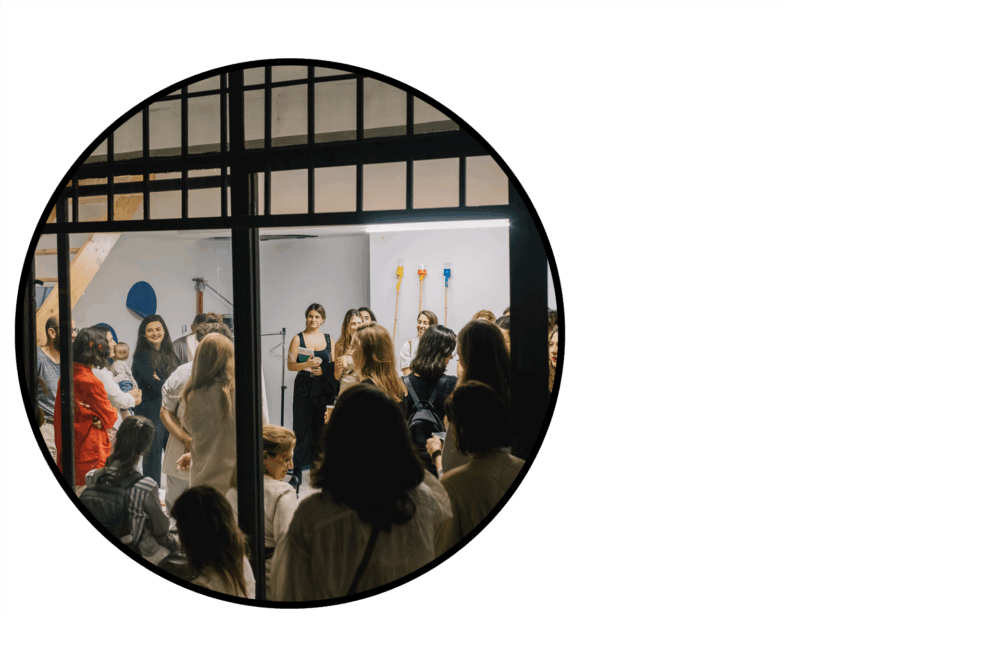
The program of the Friends of the Museum of Cycladic Art helps art reach beyond the museum walls. Through guided tours, walks, performances, screenings and meetings with artists, the Friends of the Museum get acquainted with creators, works and stories in different spaces around the city. Each activity is a new narrative: an observation of a work, an encounter with an artist, a place or an idea that connects art with the present. This way, the museum serves as a starting point for stories that continue elsewhere.
The program of the Friends of the Museum of Cycladic Art helps art reach beyond the museum walls. Through guided tours, walks, performances, screenings and meetings with artists, the Friends of the Museum get acquainted with creators, works and stories in different spaces around the city. Each activity is a new narrative: an observation of a work, an encounter with an artist, a place or an idea that connects art with the present. This way, the museum serves as a starting point for stories that continue elsewhere.
Did you know… that the Friends of the Museum participate in special activities that take place, not only inside the museum, but also in theaters, cinemas and other art venues around the city?
Think about it… If the museum went for a walk in the city, where would you like it to go and what story would it tell?
Try this… Imagine a route through the city with three stops, where, at each stop, you would tell a different story about art.
At The Museum of Cycladic Art:
Since 1986, the Friends of the Museum have formed a vibrant community of people who love art and culture. Through their participation and support, they help the Museum continue to organize programs, exhibitions and cultural experiences, both inside and outside its walls, always remaining open and accessible to all.
Stories Passed Along by Word of Mouth
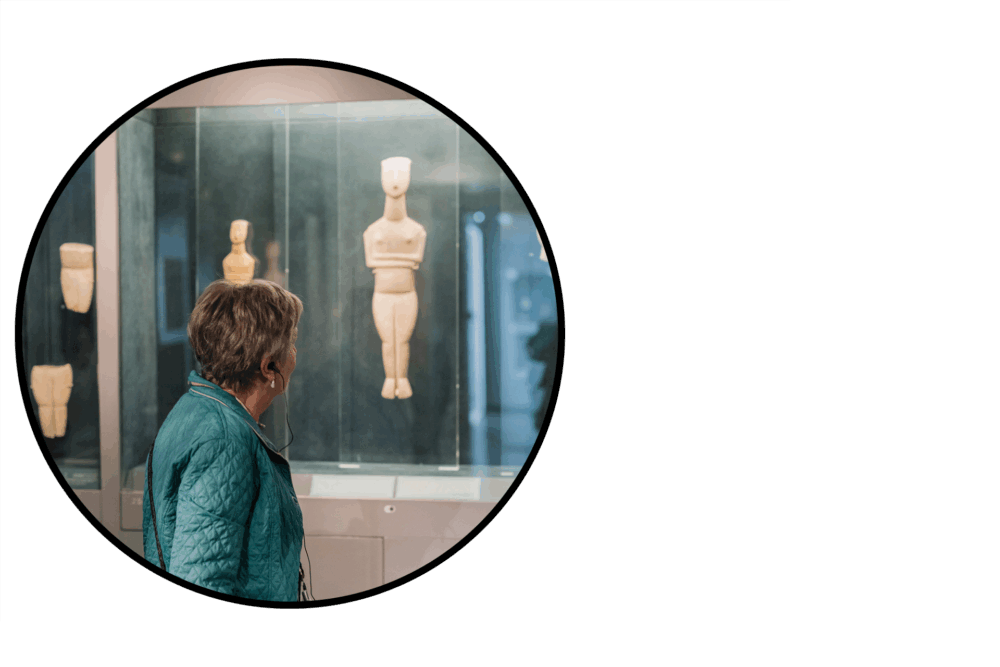
Through the programs of the Museum of Cycladic Art for people of age 60+, the museum learns to listen first. The participants share experiences from their own lives, creating an active archive of memories. These stories are meant to not only explain the exhibits, but to also enrich them with each visitor’s personal voice and experiences. In this way, history is passed on from person to person, just as it always has
Through the programs of the Museum of Cycladic Art for people of age 60+, the museum learns to listen first. The participants share experiences from their own lives, creating an active archive of memories. These stories are meant to not only explain the exhibits, but to also enrich them with each visitor’s personal voice and experiences. In this way, history is passed on from person to person, just as it always has
Did you know… that oral storytelling is one of the oldest ways through which people shared history?
Ask… an elder, which of their stories they would like people to remember forever.
Think… How does a story change when it is told by someone who lived it?
At The Museum of Cycladic Art:
The program “Friendship Clubs at the Museum” offers people over 65 the opportunity to take part in guided tours and workshops, both inside and outside the Museum. Since 2016, the Museum has carried out activities in collaboration with senior centers, Friendship Clubs and nursing homes, bringing the museum experience to people who are not able to visit in person. To date, more than 15,000 people have participated in these programs, sharing their own stories and keeping the memory alive.
When the Cyclades Tell Their Stories
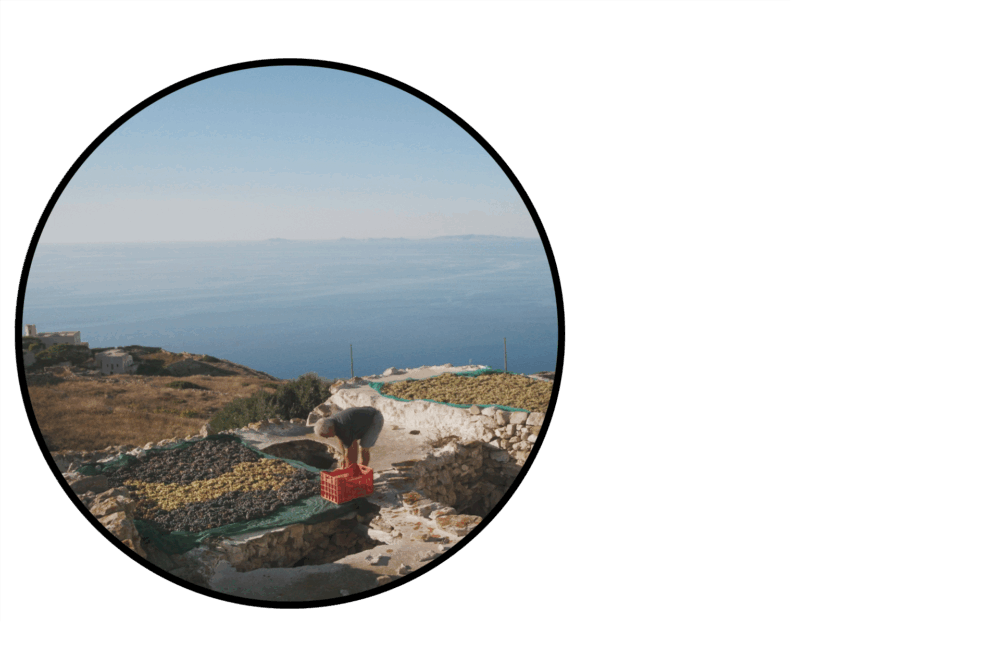
Through the Cycladic Identity initiative, stories do not only originate from people but also from places. Words, narrations, traditions, everyday stories and elements island life are recorded and preserved, so that they are not lost over time. The civilization of the Cyclades thus transforms into a living narrative that helps us understand the Cycladic people’s identity.
Through the Cycladic Identity initiative, stories do not only originate from people but also from places. Words, narrations, traditions, everyday stories and elements island life are recorded and preserved, so that they are not lost over time. The civilization of the Cyclades thus transforms into a living narrative that helps us understand the Cycladic people’s identity.
Did you know… that through the Cycladic Identity initiative, stories and testimonies from the island residents are collected so that the local culture may be preserved and shared with future generations?
Ask… any members of your family if they know of a story, custom or tradition that has been passed down from generation to generation.
Discuss in class… If your own hometown could speak, what story would it tell about its people?
At The Museum of Cycladic Art:
Through the Cycladic Identity initiative, activities are supported on the islands that record and preserve stories from the daily and professional lives of local communities, such as the industrial heritage of Ermoupoli, on the island of Syros. Testimonies from women and men who lived there are collected, to ensure that an important part of local memory is not lost and remains available for future generations.